The Real Cost of DIY Appliance Repair (Read This First)
DIY appliance repair safety in the North Dallas Metroplex: the hidden costs, hazards, and when to call DLT Appliance Repair for same-day help.
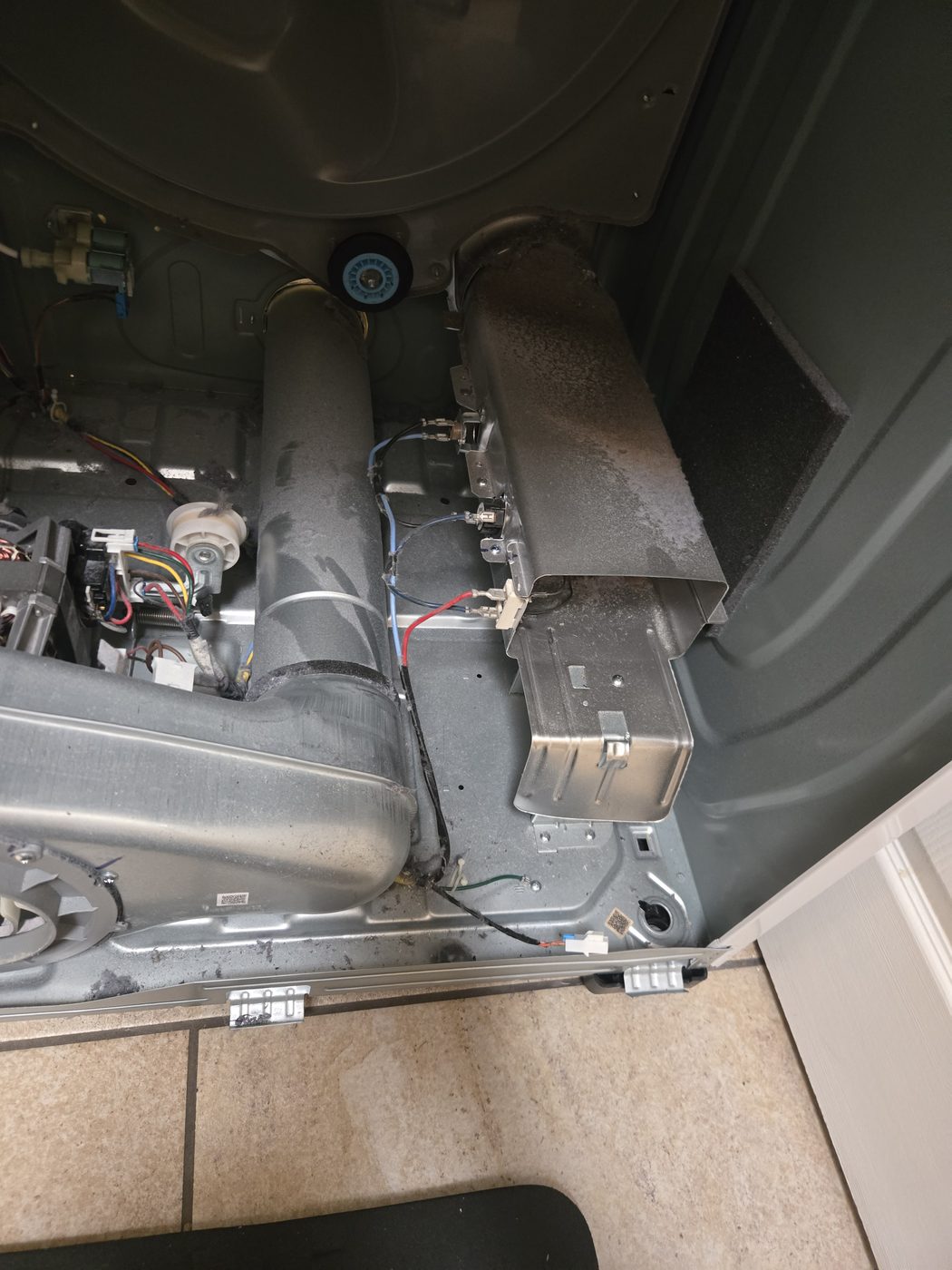
There’s a certain satisfaction in fixing something yourself. A quick video, a screwdriver, a replacement part shipped overnight, and you’ve saved a service call. Sometimes that’s exactly how it goes. But appliances have a way of hiding the real problem behind the obvious one, and the gap between “I can handle this” and “I need a professional” is narrower than most homeowners realize.
This isn’t a lecture against doing your own work. It’s an honest look at what DIY appliance repair actually costs once you add up the parts you didn’t need, the damage you didn’t expect, and the risks you can’t see. Understanding diy appliance repair safety before you pick up a tool is the difference between a good Saturday project and an expensive, or dangerous, mistake.
The costs that don’t show up on the receipt
The sticker price of a part is only the beginning. Here’s where DIY repairs quietly get expensive.
You replace the symptom, not the cause
A dryer that won’t heat could be a thermal fuse. It could also be the fuse blowing because the vent is clogged and the machine is overheating. Swap the fuse without clearing the airflow problem and you’ll be back where you started in a week, minus the cost of the part and your afternoon. Component-level diagnosis matters because appliances fail in chains. One dead part is often the second domino, not the first.
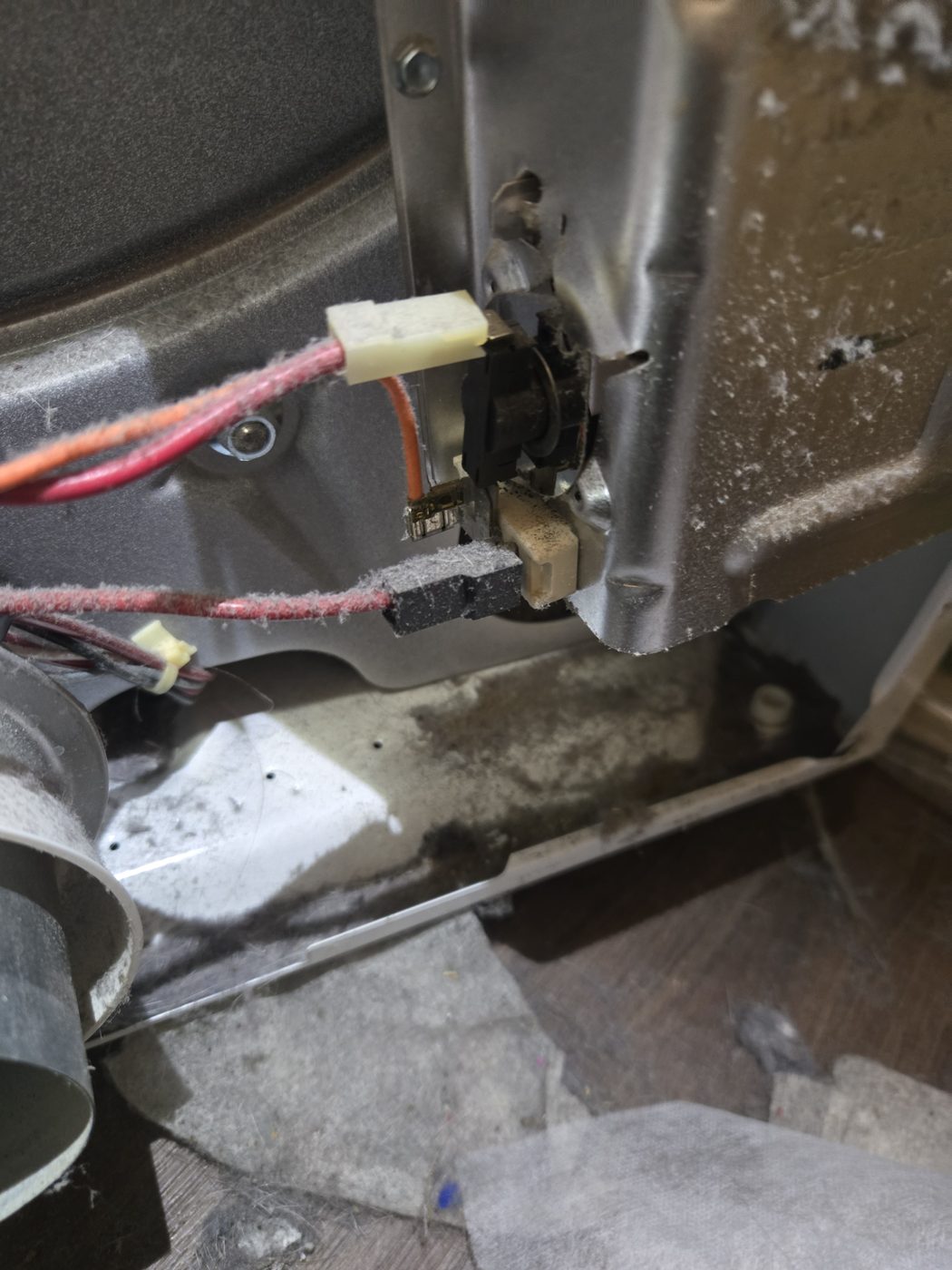 What looks like a simple part swap often hides the real cause underneath.
Guessing gets expensive fast
When you can’t test a component, you end up buying your way to the answer. New control board, still broken. New heating element, still broken. Each guess is a non-refundable part and more time with the appliance out of service. A technician with a multimeter can test a suspect part in minutes and replace only what actually failed, which is usually cheaper than two or three wrong guesses.
The warranty you might be voiding
Many manufacturer warranties are voided the moment an unauthorized person opens the cabinet. If your fridge or washer is still under coverage, a DIY attempt can turn a free repair into a full-price one. Check your paperwork before you grab a screwdriver.
The risks you can’t undo
Money is recoverable. Some things aren’t. A few appliance repairs are genuinely not safe to attempt at home, and no amount of confidence changes that.
Gas is not a learning project
Gas ranges, dryers, and ovens involve fuel lines and connections that must be leak-tested with the right equipment. A connection that seems hand-tight can still weep gas you’ll never smell in time. If the repair touches a gas line or a gas valve, stop and call a licensed professional. This is not a safe DIY job.
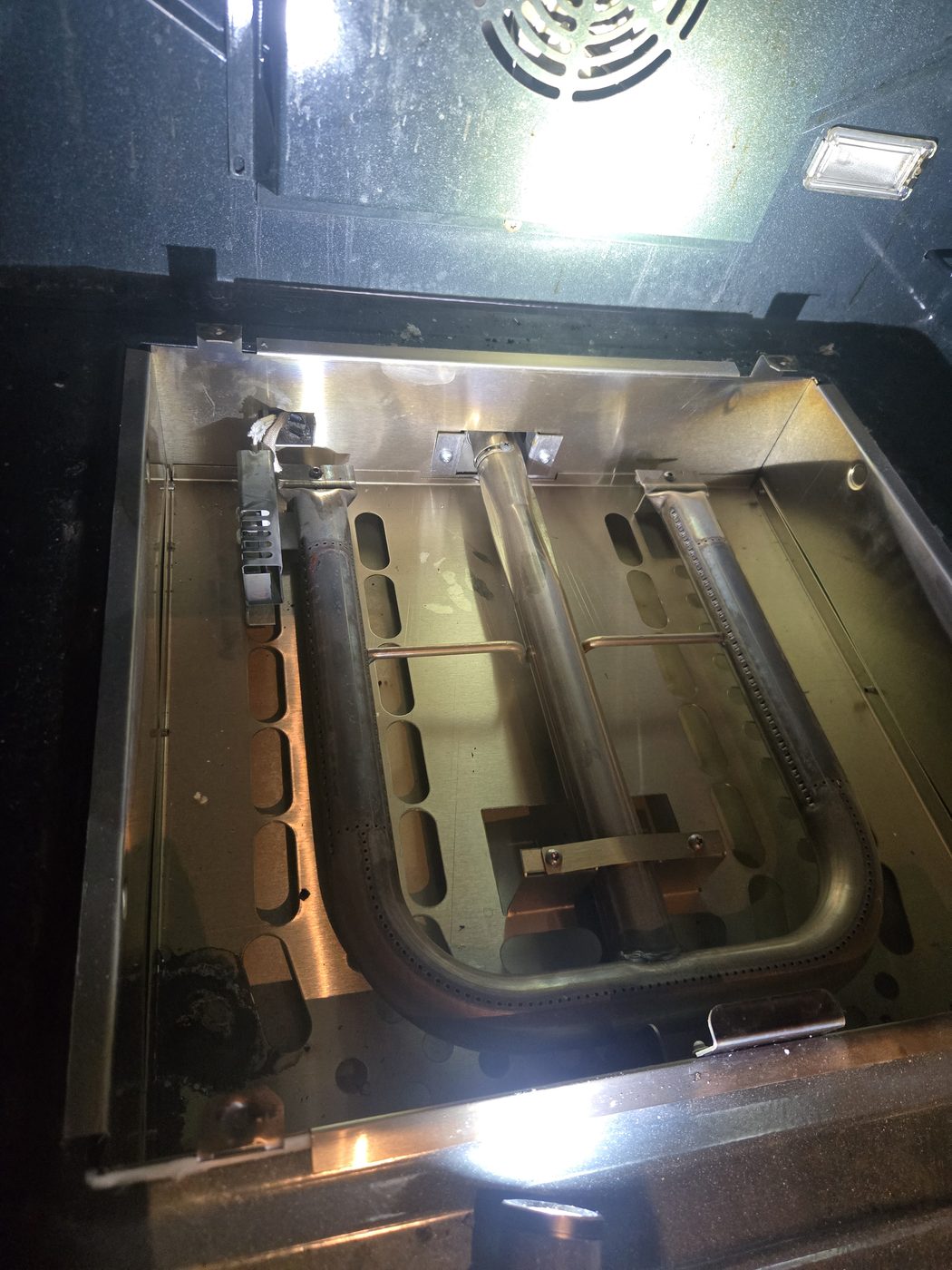 Ranges combine gas, 240V and sharp sheet metal — a bad combination for guesswork.
High-voltage capacitors hold a charge
Microwave ovens contain a capacitor that can store a lethal jolt of electricity long after the unit is unplugged. People have been seriously hurt reaching into a “dead” microwave. Unless you’re trained to discharge one safely, leave microwave internals alone.
240V circuits and sealed refrigerant systems
Electric ranges, dryers, and many water heaters run on 240V, twice the shock potential of a normal outlet. Refrigerant systems in fridges and freezers are sealed and pressurized, and opening one without EPA certification is both illegal and hazardous. These are firm lines: 240V wiring and sealed systems belong to a licensed pro, full stop.
Where the line usually falls
Plenty of maintenance is fair game. Cleaning a dryer vent, clearing a dishwasher filter, replacing a visible door gasket, or resetting a tripped appliance are reasonable homeowner tasks. The trouble starts when a job requires you to test live electrical components, open a sealed system, work on gas, or diagnose why a part failed rather than just swap it.
A good rule: if the repair involves gas, high voltage, refrigerant, or a diagnosis you’re guessing at, the safe and often cheaper move is to have it tested by someone who does it every day. Doing your own homework on diy appliance repair safety means knowing which side of that line you’re on before you start.
When to call DLT
If you’ve hit a repair that touches gas, high voltage, or a sealed system, or you’ve already swapped a part and the problem came back, that’s your signal to bring in help. DLT Appliance Repair is family-owned and offers same-day service across the North Dallas Metroplex, from Plano and Richardson to Garland, Mesquite, Irving, and Carrollton. We diagnose the real cause, give you upfront pricing before any work begins, and replace only the part that failed, backed by a written 90-day parts and 30-day labor warranty. When a project stops being fun and starts feeling risky, call (972) 674-0674 and let a licensed, insured pro take it from here.