How We Diagnose a Faulty Appliance Control Board
How DLT Appliance Repair diagnoses a faulty control board before replacing it, so North Dallas Metroplex homeowners don't pay for the wrong part.
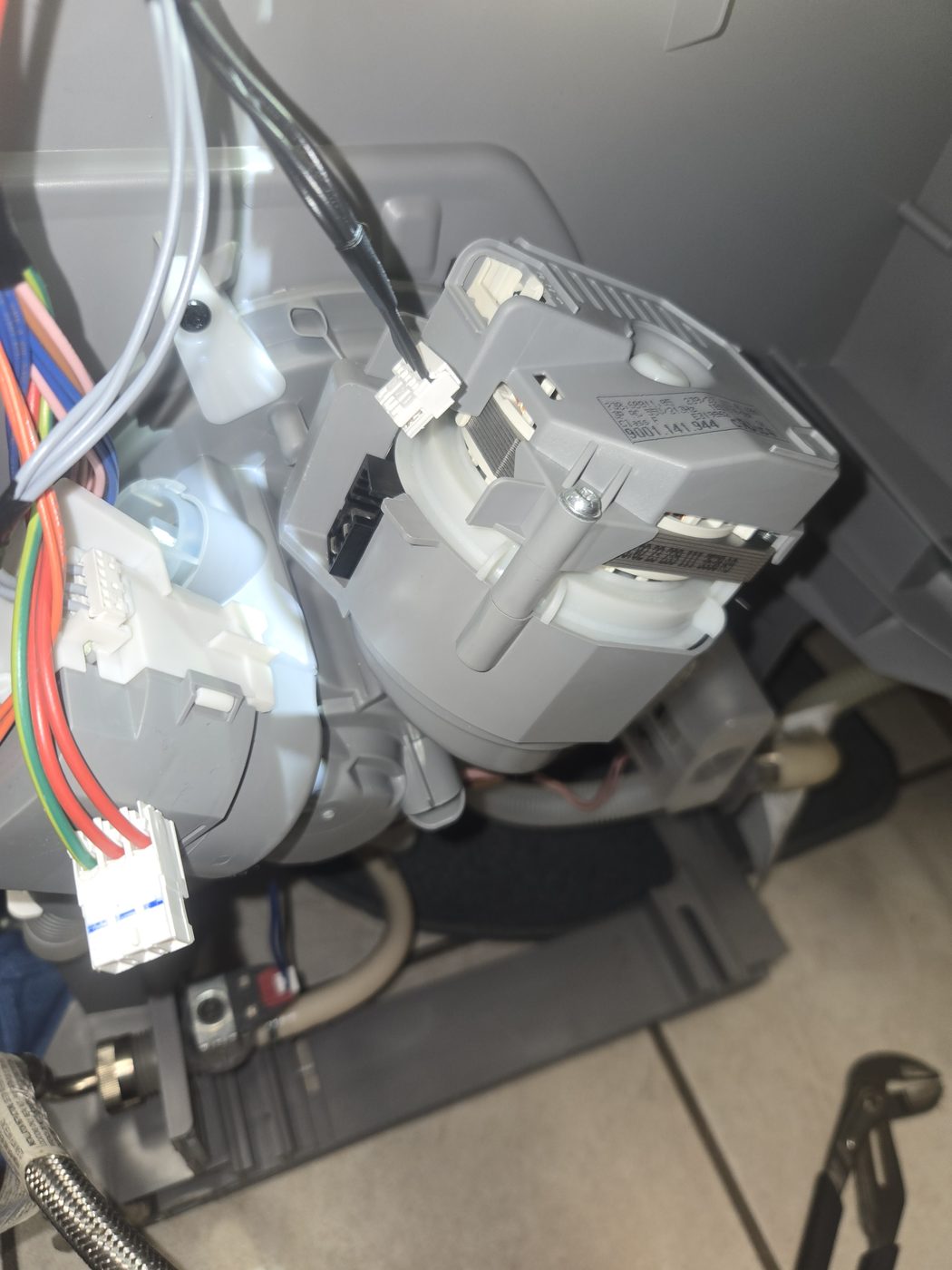
When an appliance starts acting strange, the control board is the first thing many people want to blame. It is the “brain” of the machine, so if the washer won’t start or the oven forgets what temperature it’s set to, the board seems like the obvious culprit. Sometimes it is. Just as often, it isn’t. A control board is one of the most expensive parts in any appliance, and swapping one out on a hunch is an easy way to spend a lot of money and still have a broken machine.
At DLT, proper appliance control board repair starts with proving the board is actually at fault before we touch it. Here is how we work through it.
What a control board actually does
The control board takes inputs from switches, sensors, and buttons, then sends power to the parts that do the work: motors, valves, heating elements, relays, and fans. It is the middle of a chain, not the whole chain. That matters because a board can look guilty when the real problem is upstream or downstream of it.
A washer that won’t fill might have a fine board and a bad water inlet valve. An oven that won’t heat might have a healthy board and a failed igniter or element. A refrigerator that runs warm might trace back to a defrost sensor, not the control. If we replaced the board every time one of these symptoms showed up, we would be wrong a good part of the time.
The board is often innocent
That is the core of our approach. We treat the control board as innocent until the meter proves otherwise. Boards fail, but relays, sensors, wiring, and connectors fail a lot more often, and they cost a fraction of the price.
Step one: read the machine’s own story
Most modern appliances keep error codes. Before anything comes apart, we put the unit into its diagnostic or service mode and read what it is reporting. A specific code often points us straight at a circuit or component, which tells us exactly where to put the meter next.
We also listen to the homeowner. When did it start? Does it fail every cycle or only sometimes? Was there a power surge, a flood, or a recent move? Intermittent faults and heat-related failures behave differently, and those details narrow things down fast.
Step two: check power and connections
A board can only do its job if it is getting clean power and solid connections. We verify the incoming voltage, then inspect the wiring harness and the plugs on the board itself. Loose, corroded, or heat-damaged connectors are common, and they create symptoms that mimic a dead board perfectly. We also look for the obvious tells of a genuinely failed board: burnt spots, bulged or leaking capacitors, cracked solder joints, and scorched relays.
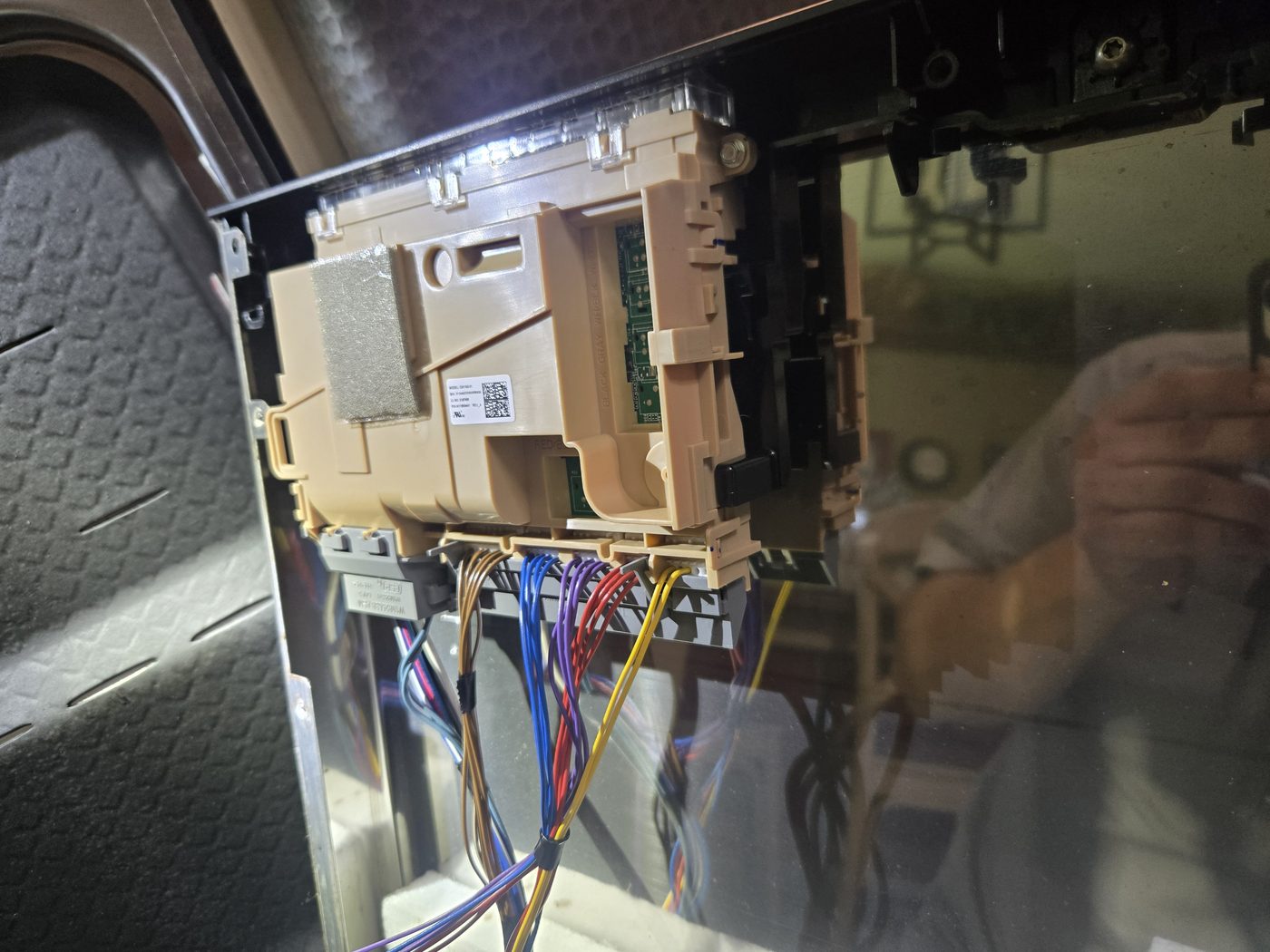 We meter the board and its inputs before condemning it — boards are expensive and often innocent.
Step three: test the inputs and outputs
This is where a multimeter earns its keep. We test the parts feeding into the board, such as thermistors, thermostats, door switches, and lid or pressure switches, to confirm the board is being told the truth. A sensor reading out of range will make a perfectly good board behave badly.
Then we check what the board sends out. With the machine calling for a function, we measure whether the board actually delivers voltage to the motor, valve, or element it is supposed to power. If the input is good and the output is missing, the board has failed a real test, not a guess. If the board is sending power correctly and the part still doesn’t respond, the fault lives in the component, not the brain.
Step four: confirm before we replace
Only when the inputs check out, the connections are solid, and the board fails to switch its outputs do we call it. At that point we can show you the reading that condemned it. This is the difference between component-level repair and parts-cannon guessing: we test and replace the one part that failed, and we back the work with our written 90-day parts and 30-day labor warranty.
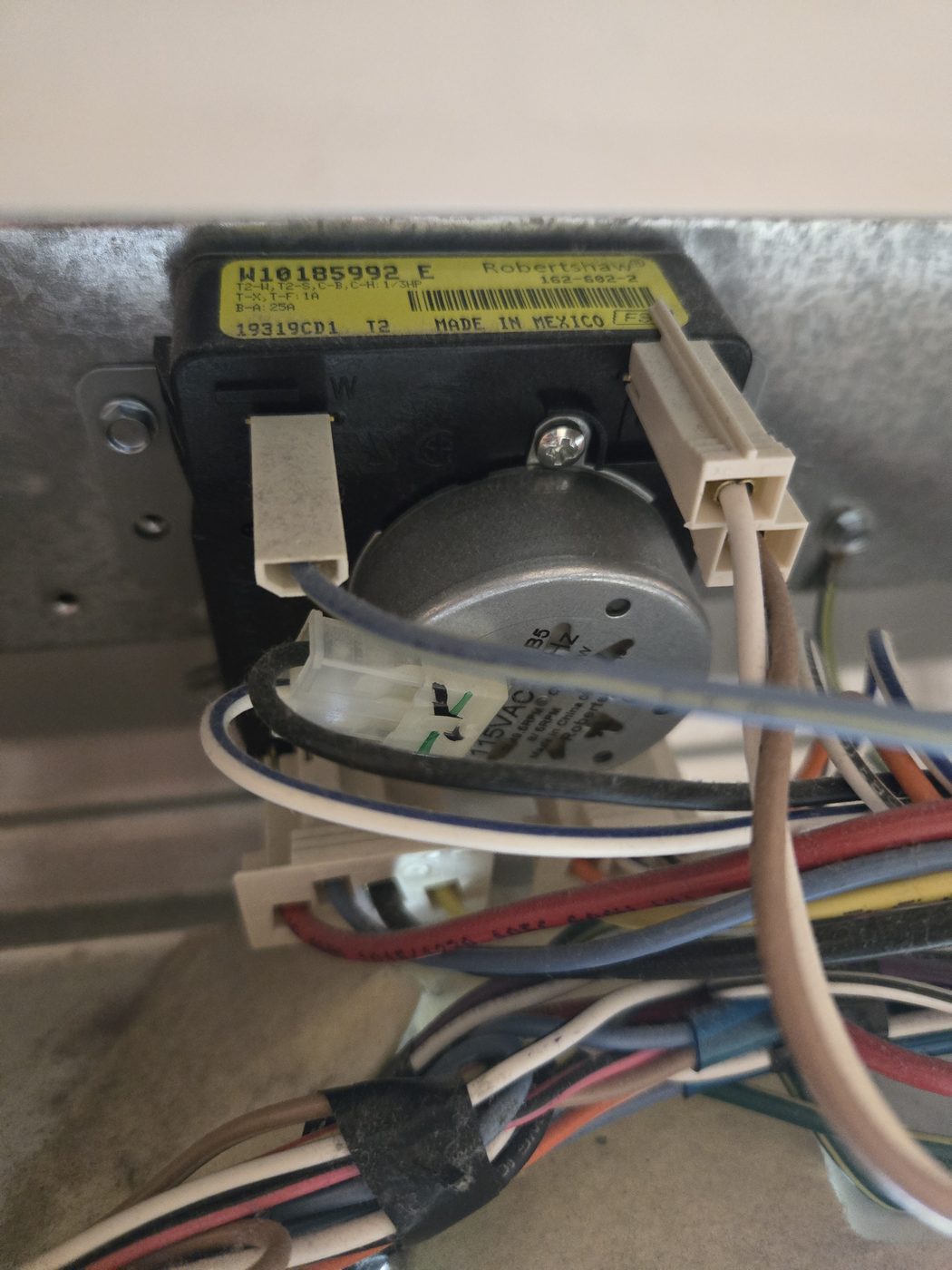 The failed control module, confirmed with testing rather than guesswork.
A safety note
Some of this work is not a safe DIY project. Boards in microwaves sit near high-voltage capacitors that can hold a dangerous charge long after the unit is unplugged. Gas appliances, sealed refrigerant systems, and 240V circuits carry real shock, fire, and gas hazards. If your diagnosis heads into any of those areas, stop and call a licensed professional.
When to call DLT
If an appliance is misbehaving and you want to know whether it’s the board or something cheaper hiding behind it, we can find out without the guesswork. DLT Appliance Repair offers same-day service across the North Dallas Metroplex, with upfront pricing given after we diagnose the real problem. Give us a call at (972) 674-0674 and we’ll test it before we replace it.